
Safety Compliance Trends in the Modern Workplace
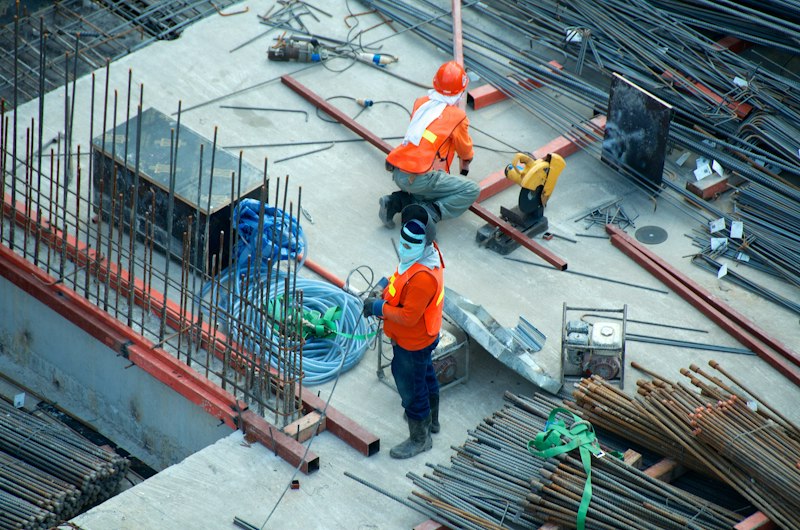
Safety regulations continue evolving, and compliance requirements grow more complex. This guide helps frontline leaders stay ahead of requirements while building genuine safety cultures that protect workers and organizations.
In This Article
Beyond Checkbox Compliance
True workplace safety extends far beyond meeting minimum regulatory requirements. Organizations with strong safety cultures experience fewer incidents, lower insurance costs, higher productivity, and better retention.
The shift from compliance-focused to culture-focused safety requires different leadership approaches and investments.
Understanding Current Requirements
OSHA Updates
Recent regulatory changes affecting frontline workplaces include:
- Enhanced heat illness prevention requirements
- Updated PPE standards
- Electronic recordkeeping requirements
- Expanded whistleblower protections
Industry-Specific Standards
Different frontline sectors face unique requirements:
- Healthcare: infection control, ergonomics, workplace violence
- Manufacturing: machine guarding, lockout/tagout, chemical safety
- Retail: ergonomics, slip/trip/fall prevention, emergency procedures
Building a Safety Culture
Compliance ensures minimum standards; culture drives excellence.
Elements of strong safety culture:
- Leadership visibly prioritizes safety over production pressures
- Workers feel empowered to stop unsafe work
- Near-misses are reported and addressed without blame
- Safety suggestions are welcomed and acted upon
- Training is ongoing, not just initial certification
The Role of Frontline Supervisors
Supervisors have the greatest influence on day-to-day safety behaviors. Equip them with:
- Authority to stop unsafe operations
- Training in hazard recognition
- Coaching skills for safety conversations
- Time allocated for safety activities
Effective Safety Training
Beyond Annual Compliance
Annual safety training checks a box but doesn't change behavior. Effective programs include:
- Daily safety moments or toolbox talks
- Hands-on practice, not just presentations
- Scenario-based learning
- Peer-led training sessions
Making Training Stick
- Connect safety to personal well-being, not just rules
- Use storytelling and real examples
- Involve workers in developing training content
- Provide refreshers at point-of-risk
Leveraging Technology
Modern safety tools enhance protection and compliance:
- Wearables that detect fatigue or hazardous conditions
- Digital inspection checklists
- Incident reporting apps
- Predictive analytics for risk identification
Incident Investigation Best Practices
When incidents occur, focus on systems, not blame:
- Investigate near-misses with the same rigor as injuries
- Look for root causes, not just immediate triggers
- Involve affected workers in investigation
- Share learnings broadly across the organization
Measuring Safety Performance
Leading indicators predict future performance:
- Training completion and quality
- Hazard reports and closure rates
- Safety observation activities
- Near-miss reporting rates
Lagging indicators track historical performance:
- Recordable incident rates
- Lost time injuries
- Workers' compensation costs
The Frontline Take
Physical safety requires psychological safety—workers must feel comfortable raising concerns without fear of retaliation.
- Actively solicit safety input
- Respond constructively to concerns
- Recognize those who speak up
- Address retaliation swiftly and visibly
Key Takeaway
Safety regulations continue evolving, and compliance requirements grow more complex. This guide helps frontline leaders stay ahead of requirements while building genuine safety cultures that protect workers and organizations.
Frontline Take
HR's View From The Floor
Related Articles

The Compliance Trap: How Safety Theater Is Killing Engagement
When safety programs become checkbox exercises, employee engagement suffers. Learn how leading companies are moving beyond performative compliance to build cultures where workers actively protect each other.

Safety Leadership on the Production Floor
How frontline supervisors are transforming safety culture in manufacturing.

Upskilling Your Production Team for Industry 4.0
Preparing frontline workers for the automated manufacturing future.