
Cross-Docking Strategies for Modern Distribution
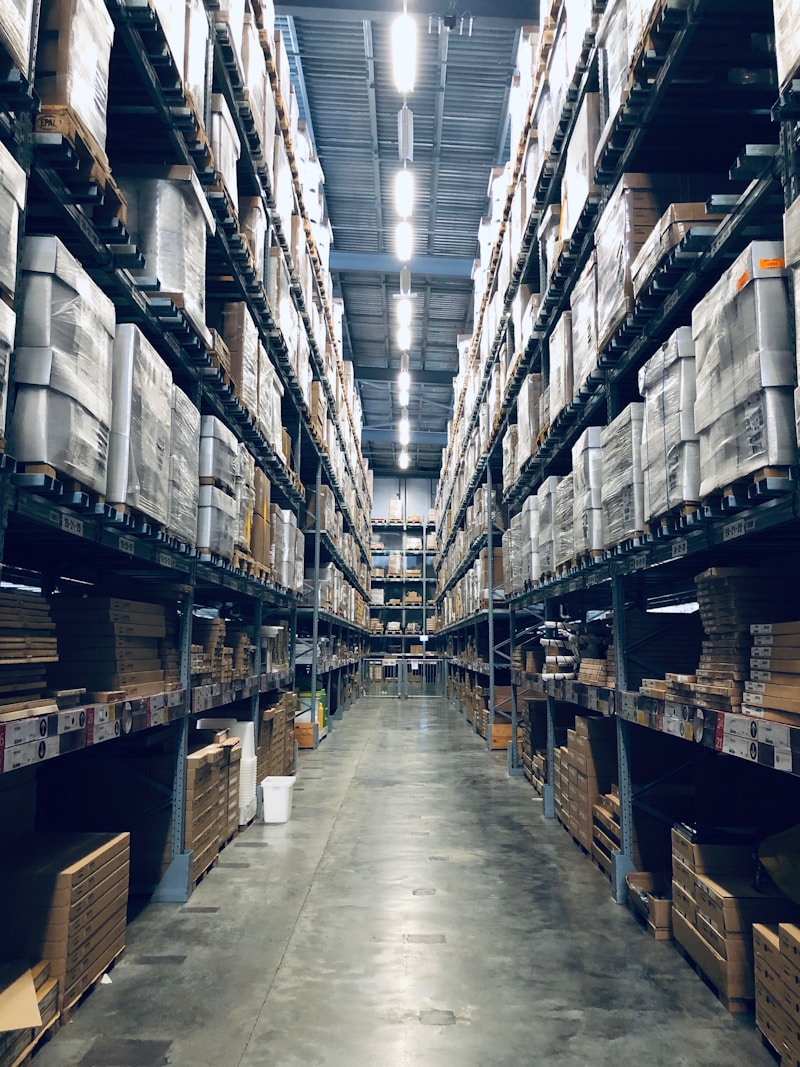
Reducing warehouse dwell time through smarter dock management.
In This Article
The Speed Imperative in Modern Distribution
Cross-docking is one of the most demanding operations in logistics. The concept is simple: goods arrive at a facility and are transferred directly to outbound transportation with minimal or no storage time. The execution is anything but simple. It requires precise coordination between inbound shipments, dock scheduling, labor allocation, and outbound routing, all operating within windows measured in hours rather than days.
For frontline supervisors managing cross-dock operations, the challenge is orchestrating this complexity in real time while maintaining accuracy, safety, and throughput. When it works, cross-docking dramatically reduces inventory carrying costs, shortens delivery times, and improves supply chain responsiveness. When it fails, the ripple effects are immediate and visible.
Understanding Cross-Dock Models
Not all cross-docking operations are the same. Frontline leaders need to understand which model their operation uses, because each presents different coordination challenges:
Pre-distributed cross-docking: Products arrive already sorted and labeled for their final destination. The facility simply receives, verifies, and redirects. This is the simplest model operationally but requires strong upstream coordination with suppliers.
Post-distributed cross-docking: Products arrive in bulk and are sorted, allocated, and directed to outbound loads at the cross-dock facility. This model gives the operation more flexibility but requires more labor and more complex decision-making on the dock.
Hybrid operations: Many facilities combine cross-docking with traditional warehousing, handling some products as flow-through and others as stored inventory. This creates the most complex scheduling and space management challenges.
The Art of Dock Door Management
In cross-dock operations, dock doors are the critical constraint. Every minute a trailer occupies a dock door without active loading or unloading is capacity lost. Effective dock management requires:
Appointment scheduling: Coordinating inbound arrivals to align with outbound departure times minimizes product dwell time. This sounds straightforward but requires constant adjustment as carriers run late, volumes shift, and priorities change.
Door assignment strategy: Placing related inbound and outbound loads at adjacent doors reduces travel distance and handling time. This spatial optimization can improve throughput by 15 to 20 percent compared to random door assignment.
Trailer staging: When dock doors are fully utilized, trailer staging areas provide overflow capacity. Managing the flow between staging and active doors requires constant communication between yard drivers and dock supervisors.
Real-time visibility: Knowing which trailers are on-site, which doors are active, and which loads are nearly complete enables proactive scheduling rather than reactive scrambling.
Labor Coordination in Real Time
Cross-dock operations require a different approach to workforce management than traditional warehousing. The work is inherently variable: volume fluctuates throughout the day, product types change with each inbound trailer, and urgency levels shift based on outbound departure schedules.
Successful workforce strategies include:
- Flexible role assignment where workers can shift between unloading, sorting, and loading based on real-time needs
- Visual workload indicators that help supervisors see where labor is needed before bottlenecks form
- Staggered shift starts that align labor availability with predicted volume patterns throughout the day
- Cross-training programs that give supervisors the flexibility to deploy workers where they are most needed
Communication on the Dock
The pace of cross-dock operations leaves little room for communication breakdowns. Effective supervisors establish:
- Quick huddles at the start of each shift covering expected volume, priority loads, and any known issues
- Radio protocols that keep information flowing between dock areas without creating noise overload
- Visual management boards at central locations showing current status of all active loads
- Escalation triggers that define when a developing problem needs supervisor attention versus when dock workers can resolve it themselves
Technology as an Enabler
Modern cross-dock operations rely on technology to manage complexity that exceeds human coordination capacity:
Warehouse management systems (WMS) direct product flow from inbound to outbound, optimizing paths and consolidating loads in real time.
Transportation management systems (TMS) coordinate carrier schedules, track trailer movements, and manage appointment windows.
Sortation systems ranging from simple conveyor networks to advanced automated sorters handle the physical separation and routing of products.
Barcode and RFID scanning ensures accuracy at every handoff point, catching misdirected products before they leave the facility.
However, technology handles the routine. Frontline supervisors handle the exceptions, and in cross-dock operations, exceptions are frequent:
- A high-priority load arrives late and must be expedited to catch its outbound connection
- Product damage on an inbound trailer requires rapid reallocation of orders
- A carrier cancellation forces loads to be consolidated onto alternative transportation
- Volume exceeds forecast and dock capacity must be rationed across competing priorities
These situations require judgment, experience, and the ability to make quick decisions with imperfect information, skills that technology supports but cannot replace.
Quality and Accuracy in High-Speed Operations
The speed of cross-dock operations creates inherent accuracy risks. Product moving quickly through a facility has less time for verification, and errors discovered after outbound trailers depart are exponentially more expensive to correct.
Quality safeguards that work in fast-paced environments:
- Scan-based verification at every transfer point, not just receiving and shipping
- Exception alerts that flag mismatches between expected and actual product immediately
- Dedicated quality checkpoints at outbound staging where high-value or high-error-rate products receive additional verification
- Error tracking by root cause to identify whether accuracy issues stem from receiving errors, sorting mistakes, or loading problems
Safety in Fast-Paced Environments
Cross-dock operations combine many of the highest-risk activities in logistics: forklift traffic, trailer movement, manual lifting, and time pressure. This combination demands rigorous safety management:
- Traffic patterns that separate pedestrian and forklift routes, especially around dock doors where visibility is limited
- Trailer chocking and restraint protocols enforced without exception, even when speed pressure mounts
- Fatigue awareness because the intensity of cross-dock work can lead to lapses in attention that create safety risks
- Near-miss reporting that captures developing hazards before they cause injuries
The Frontline Take
Cross-docking represents logistics at its most dynamic and demanding. The supervisors who excel in this environment combine operational knowledge with real-time decision-making, strong communication skills, and the ability to maintain quality and safety standards under constant time pressure. As supply chains continue to prioritize speed and responsiveness, cross-dock operations will only grow in importance, and the frontline leaders who master this discipline will be increasingly valued.
Key Takeaway
Reducing warehouse dwell time through smarter dock management.
Frontline Take
HR's View From The Floor
Related Articles
Warehouse Leadership in the Age of Same-Day Delivery
How distribution center supervisors are adapting to impossible expectations.

Driver Retention: A Fleet Manager's Guide to Keeping Your Best
Why drivers leave—and what frontline leaders can do about it.

Last-Mile Delivery Team Management
Leading dispersed teams when you rarely see your workers face-to-face.