
Visual Merchandising and Frontline Team Alignment
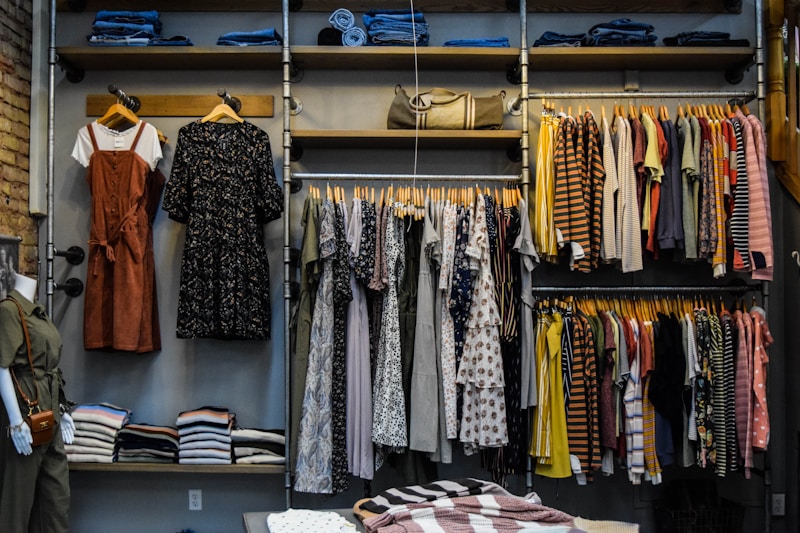
Getting your team invested in store presentation standards.
In This Article
Why Store Presentation Is a Team Sport
Visual merchandising directives arrive from corporate with exacting planograms, color palettes, and display specifications. But between the PDF and the sales floor, something often gets lost. Displays go up late, reset compliance drops, and associates treat merchandising as a chore disconnected from their real job of serving customers.
The disconnect is not about capability. It is about ownership. When frontline teams feel like they are simply executing someone else's vision, compliance becomes mechanical at best. When they feel invested in the outcome, presentation standards improve and stay consistent between resets.
The Ownership Gap
Most visual merchandising programs operate on a top-down model: corporate designs the plan, the visual team builds the initial set, and associates are expected to maintain it. The problem is that maintenance without understanding is unsustainable.
Associates who do not understand why products are placed in specific positions will gradually drift from the plan. End caps get restocked with whatever is convenient. Feature tables lose their curated look. Signage gets moved to accommodate operational shortcuts.
Signs of an ownership gap:
- Displays degrade noticeably within days of a reset
- Associates cannot explain the merchandising strategy behind current layouts
- Compliance scores vary wildly between shifts
- Visual standards are treated as "extra work" rather than core responsibility
Making Merchandising Meaningful
The most effective store leaders connect merchandising decisions to outcomes their teams care about. This means translating corporate visual strategy into language that resonates on the floor.
Instead of: "We need to execute the spring planogram by Tuesday."
Try: "This new layout puts our highest-margin items at eye level near the fitting rooms. Last quarter, stores that nailed this reset saw a 15% lift in accessory attachment. Let us make that happen here."
When associates understand the business logic behind product placement, they become active participants rather than passive executors. They start noticing when displays need attention because they understand what effective presentation produces.
Involving Teams in the Process
Smart managers find ways to give their teams genuine input within corporate guidelines:
- Zone ownership assigns specific departments or areas to individual associates, creating pride and accountability
- Creativity windows allow teams to make decisions on secondary displays or local product features within brand guidelines
- Feedback loops invite associates to share what customers respond to, feeding insights back to the visual team
- Before-and-after recognition celebrates strong execution and builds healthy competition between shifts
Training Beyond the Planogram
Effective visual merchandising training goes beyond "put this product here." It builds the foundational skills that make associates better at maintaining any display:
Color and balance: Teaching basic principles of visual weight, color coordination, and symmetry helps associates make good instinctive decisions when maintaining displays throughout the day.
Customer flow: Helping teams understand how customers navigate the store turns merchandising from an abstract concept into practical knowledge. Associates who understand traffic patterns make better restocking decisions.
Storytelling: The best displays tell a story. Training associates to think about the customer narrative a display creates helps them maintain the intent behind a setup, not just the physical arrangement.
Measuring What Matters
Compliance audits that only check whether products are in the right position miss the bigger picture. Leading indicators of strong visual merchandising include:
- Sell-through rates on featured products and displays
- Customer dwell time in key merchandised areas
- Associate confidence scores on visual standards (self-reported)
- Time between resets and first compliance drift
These metrics connect presentation to performance and give teams a scorecard they can influence through their daily actions.
Sustaining Standards Across Shifts
The biggest challenge for visual merchandising is consistency across shifts. The morning team might execute a flawless reset, but by the time the closing crew finishes, displays can look entirely different.
Solutions that work:
- Photo standards posted in back rooms showing what each area should look like at the start and end of every shift
- Handoff checklists that include visual merchandising walk-through items alongside operational tasks
- Closing crew empowerment to restore displays as part of their zone recovery routine rather than leaving it for the morning team
- Weekly walk-throughs with shift leads to calibrate standards and address drift patterns
The Frontline Take
Visual merchandising is one of the few areas where frontline execution directly and visibly impacts revenue. Store leaders who invest time in helping their teams understand, own, and take pride in presentation standards see compounding returns. Compliance improves, resets happen faster, and associates develop a professional skill that benefits their career development. The investment pays for itself many times over, and it starts with a simple shift: treating merchandising as something the team owns together, not something corporate imposes from above.
Key Takeaway
Getting your team invested in store presentation standards.
Frontline Take
HR's View From The Floor
Related Articles

Retail Article 1

How Retail Shift Leads Are Redefining Customer Experience
Frontline supervisors are becoming the key differentiator in brick-and-mortar retail success.

Building High-Performance Teams in Hourly Retail Environments
Strategies for creating cohesive teams when staff turnover averages 60% annually.